Sugar-Free Custard – Smooth, Comforting, and Easy
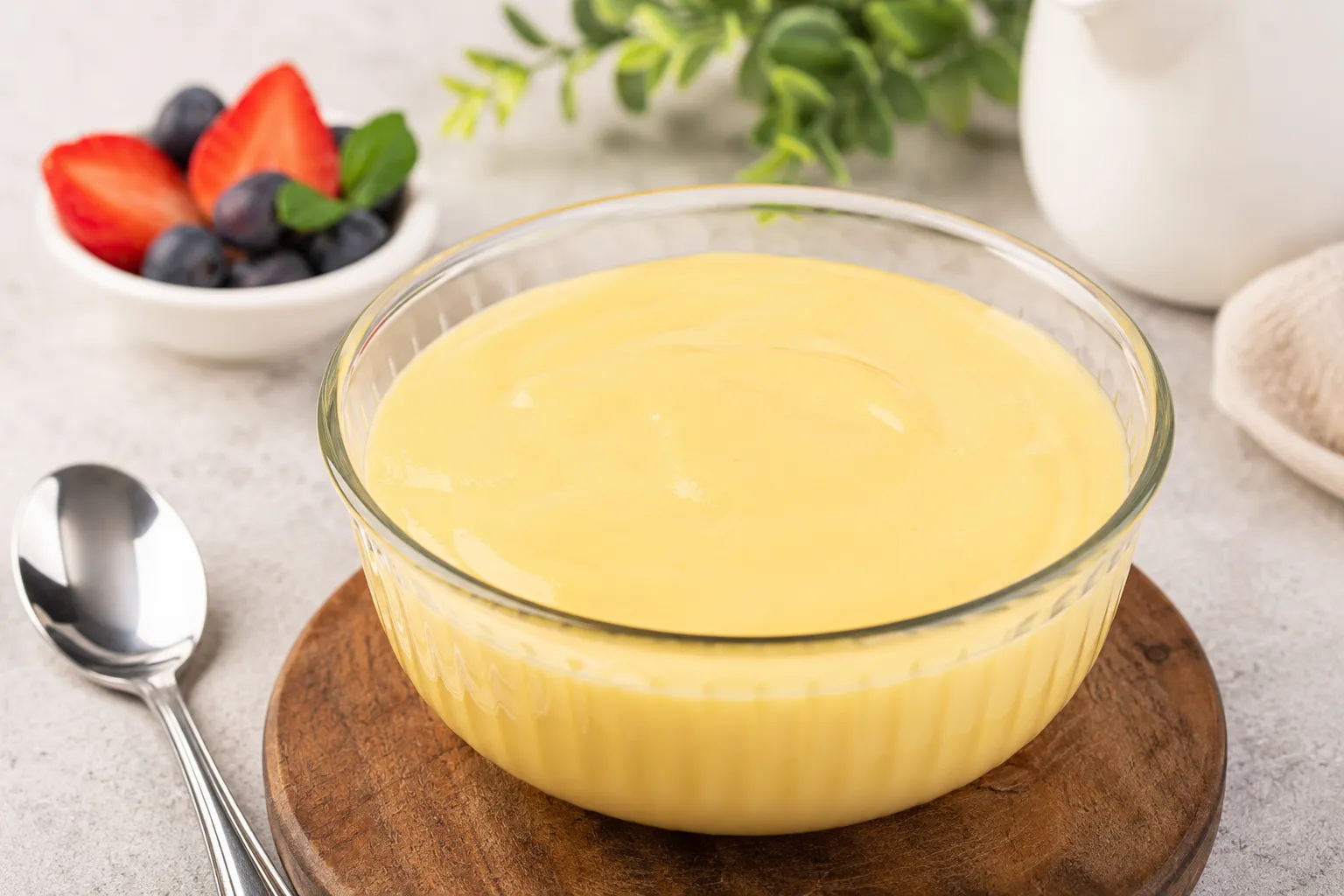
If you grew up loving silky custard spooned over warm pie or fresh berries, you’ll be happy to know you can still have that comfort without the sugar crash. This sugar-free version is just as creamy and satisfying, with a gentle sweetness that won’t overpower your dessert. It’s simple to make, uses basic ingredients, and turns out beautifully whether you serve it warm or chilled.
You can enjoy it on its own, pair it with fruit, or layer it in a trifle. Best of all, it’s a recipe you can trust to work on a busy weeknight or for a special dinner.
Ingredients
Method
- Warm the milk: Add the milk (and cream if using) to a medium saucepan with the salt and any optional zest or spices.Heat over medium until it’s steaming and small bubbles form around the edges. Do not let it boil.
- Whisk the yolks and sweetener: In a separate bowl, whisk the egg yolks with the powdered sweetener until smooth and slightly pale. If using cornstarch or arrowroot, whisk it in now until fully dissolved.
- Temper the eggs: Slowly pour about 1/2 cup of the hot milk into the yolk mixture while whisking constantly.This gently warms the eggs so they don’t scramble. Continue with another 1/2 cup, whisking well.
- Combine and cook: Pour the tempered mixture back into the saucepan with the remaining milk. Cook over low to medium-low heat, stirring constantly with a heatproof spatula, making sure to sweep the bottom and corners of the pan.
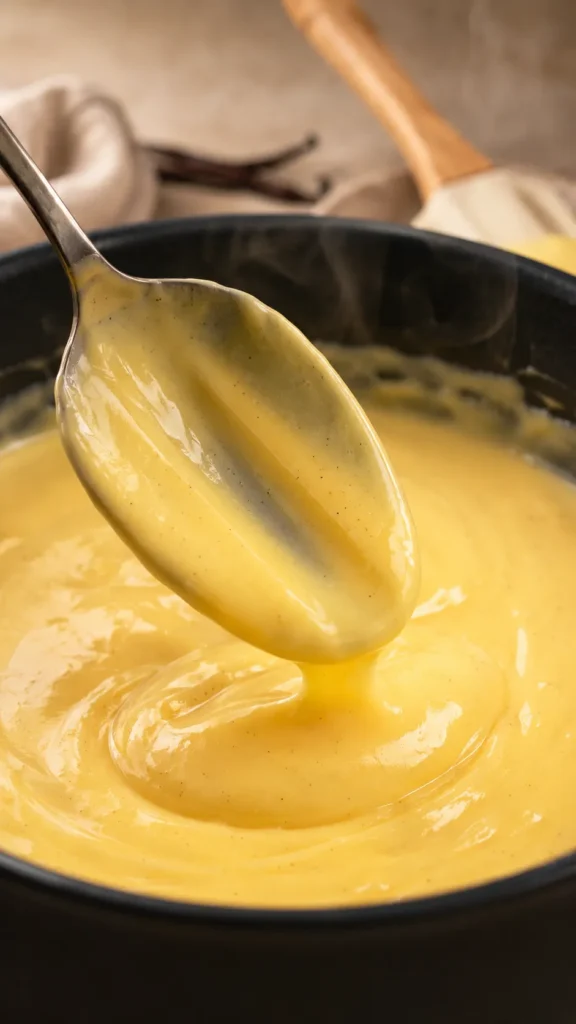
- Watch for thickening: The custard is ready when it coats the back of a spoon and a finger swiped across leaves a clean line, about 5–8 minutes.Avoid boiling. If you have an instant-read thermometer, aim for 170–175°F (77–80°C).
- Finish with vanilla: Remove from heat and stir in the vanilla extract. If you used a vanilla bean, remove the pod.
- Strain for smoothness: For a perfectly silky texture, pour the custard through a fine-mesh sieve into a clean bowl or jug.This catches any tiny bits of cooked egg or zest.
- Chill or serve: Serve warm right away, or press plastic wrap directly onto the surface to prevent a skin from forming and chill for at least 2 hours. Custard will thicken more as it cools.
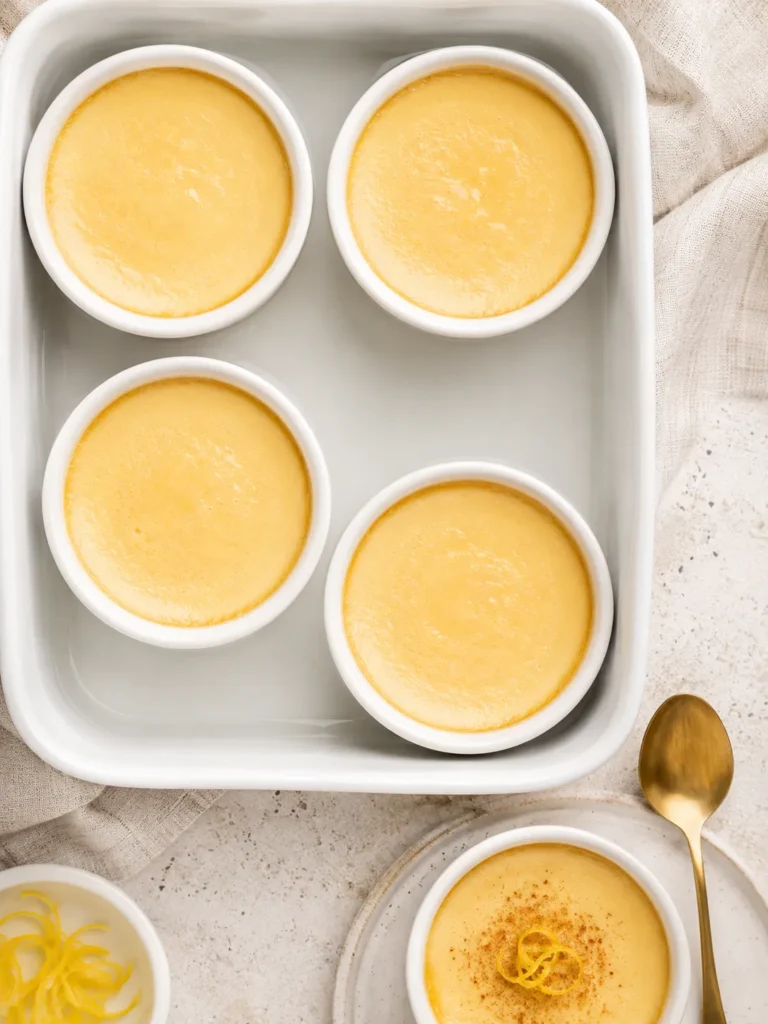
- Optional baked custard: For a firmer set, divide the mixture among ramekins, place in a baking dish, add hot water halfway up the sides, and bake at 325°F (165°C) for 25–35 minutes until just set with a slight wobble. Cool before serving.
What Makes This Special
This custard keeps the classic flavor and texture you expect while skipping refined sugar altogether. It relies on a zero-calorie sweetener that blends well and doesn’t leave a bitter aftertaste.
The method is straightforward and gives you control: you can cook it gently on the stove or bake it for a firmer set. It’s also versatile enough to flavor with vanilla, citrus, or spices without losing its smooth finish.
Bonus: This recipe is naturally gluten-free and can be adapted for dairy-free needs. It’s lower in carbs than traditional custard and fits well with low-sugar lifestyles while staying genuinely delicious.
Ingredients
- 2 cups (480 ml) whole milk, or a mix of milk and cream for extra richness
- 4 large egg yolks
- 2–3 tablespoons powdered erythritol, allulose, or a blend (to taste)
- 1 tablespoon cornstarch or 2 teaspoons arrowroot (optional for thicker custard)
- 1 teaspoon pure vanilla extract (or 1/2 vanilla bean, scraped)
- 1/8 teaspoon fine sea salt
- Optional flavor add-ins: 1 strip lemon zest, a pinch of cinnamon or nutmeg
Step-by-Step Instructions
- Warm the milk: Add the milk (and cream if using) to a medium saucepan with the salt and any optional zest or spices.
Heat over medium until it’s steaming and small bubbles form around the edges. Do not let it boil.
- Whisk the yolks and sweetener: In a separate bowl, whisk the egg yolks with the powdered sweetener until smooth and slightly pale. If using cornstarch or arrowroot, whisk it in now until fully dissolved.
- Temper the eggs: Slowly pour about 1/2 cup of the hot milk into the yolk mixture while whisking constantly.
This gently warms the eggs so they don’t scramble. Continue with another 1/2 cup, whisking well.
- Combine and cook: Pour the tempered mixture back into the saucepan with the remaining milk. Cook over low to medium-low heat, stirring constantly with a heatproof spatula, making sure to sweep the bottom and corners of the pan.
- Watch for thickening: The custard is ready when it coats the back of a spoon and a finger swiped across leaves a clean line, about 5–8 minutes.
Avoid boiling. If you have an instant-read thermometer, aim for 170–175°F (77–80°C).
- Finish with vanilla: Remove from heat and stir in the vanilla extract. If you used a vanilla bean, remove the pod.
- Strain for smoothness: For a perfectly silky texture, pour the custard through a fine-mesh sieve into a clean bowl or jug.
This catches any tiny bits of cooked egg or zest.
- Chill or serve: Serve warm right away, or press plastic wrap directly onto the surface to prevent a skin from forming and chill for at least 2 hours. Custard will thicken more as it cools.
- Optional baked custard: For a firmer set, divide the mixture among ramekins, place in a baking dish, add hot water halfway up the sides, and bake at 325°F (165°C) for 25–35 minutes until just set with a slight wobble. Cool before serving.
Keeping It Fresh
Store the custard in an airtight container in the refrigerator for up to 3 days.
Keep the surface covered to prevent a skin from forming and to protect the flavor. If it thickens a bit too much after chilling, whisk in a splash of cold milk until it loosens to your liking. Avoid freezing; the texture can turn grainy once thawed.
Why This is Good for You
- Lower sugar load: Using erythritol or allulose means far fewer carbs and a gentler impact on blood sugar compared to traditional recipes.
- Protein from egg yolks: Yolks add richness and nutrients while helping you feel satisfied.
- Customizable dairy: You can choose lower-fat milk or lactose-free options to suit your needs without giving up creaminess.
- Portion-friendly: A small serving goes a long way thanks to its silky texture and balanced sweetness.
Common Mistakes to Avoid
- Overheating: Boiling can curdle the eggs.
Keep the heat low and steady, and stir constantly.
- Skipping tempering: Adding all the hot milk at once can scramble the yolks. Temper gradually.
- Using granulated sweetener: Coarse crystals may not fully dissolve. Use powdered erythritol or allulose for a smooth finish.
- Not straining: A quick pass through a fine sieve guarantees a professional, lump-free texture.
- Wrong thickeners: Too much starch can make the custard gummy.
Measure carefully or skip starch for a classic, egg-thickened style.
Variations You Can Try
- Dairy-free: Use unsweetened almond milk or coconut milk. For extra body, add 1–2 teaspoons arrowroot and cook gently until thickened.
- Lemon custard: Add a strip of lemon zest while heating the milk and finish with 1 teaspoon fresh lemon juice off the heat.
- Spiced custard: Stir in a pinch of cinnamon, nutmeg, or cardamom for a cozy flavor.
- Chocolate twist: Whisk in 2 tablespoons unsweetened cocoa powder with the yolks and sweetener. Add a few drops of vanilla to round it out.
- Espresso custard: Dissolve 1–2 teaspoons instant espresso in the warm milk for a subtle coffee note.
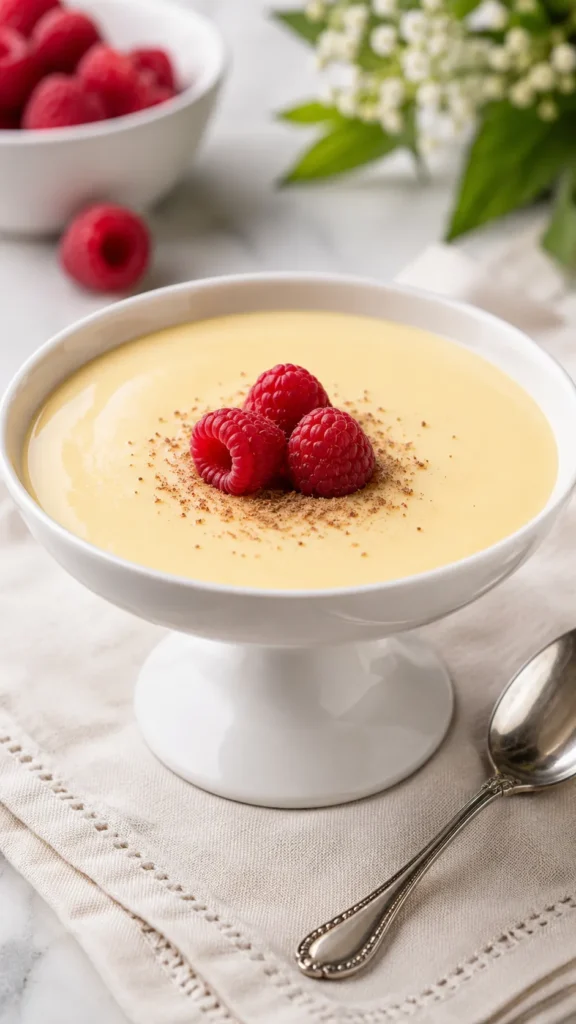
- Berry topping: Serve with fresh raspberries or strawberries for brightness and natural sweetness.
FAQ
Which sugar-free sweetener is best for custard?
Allulose and powdered erythritol both work well.
Allulose tends to give the smoothest mouthfeel and least cooling effect, while erythritol is widely available and reliable. A blend can balance sweetness and texture.
Can I make this without starch?
Yes. The egg yolks alone can thicken the custard beautifully if you cook it slowly to the right temperature.
Starch is optional and mainly adds extra stability and a slightly thicker set.
How do I fix lumpy custard?
Take it off the heat immediately and whisk vigorously. Then strain through a fine-mesh sieve. If it’s still not smooth, blend briefly with an immersion blender, taking care not to incorporate too much air.
Is this suitable for people with diabetes?
It’s lower in sugar than traditional custard and uses non-nutritive sweeteners, which can help manage carb intake.
That said, individual needs vary, so check ingredient labels and consult your healthcare provider if you’re unsure.
Can I use egg whites instead of yolks?
Not for this style. Yolks provide emulsifiers and fat that create the silky, custard-like texture. Whites alone will not give the same richness or stability.
What if my custard doesn’t thicken?
It may need a little more time at low heat.
Keep stirring and watch for it to reach the nappe stage (coats the back of a spoon). If you’re worried about overcooking, you can dissolve 1 teaspoon cornstarch in a splash of cold milk and whisk it in gently while heating.
Can I flavor it with alcohol, like rum or bourbon?
Yes, add 1–2 teaspoons off the heat at the end. A little goes a long way and pairs nicely with vanilla.
Avoid adding too much or it can thin the custard.
What’s the best way to serve it?
It’s great warm in a bowl, poured over fruit or cake, or chilled and spooned as a pudding. For a special touch, add a sprinkle of nutmeg or a few berries on top.
Final Thoughts
Sugar-Free Custard proves you don’t need refined sugar to enjoy a classic, cozy dessert. With a gentle hand on the heat and the right sweetener, you’ll get a smooth, rich result every time.
Keep this recipe in your back pocket for weeknights, holidays, and everything in between. It’s simple, flexible, and genuinely satisfying—exactly what a go-to dessert should be.
Printable Recipe Card
Want just the essential recipe details without scrolling through the article? Get our printable recipe card with just the ingredients and instructions.